Lapwing Estate
Contact
“Our national food production strategy is in crisis, and we believe there is a better way”
James Brown, CEO, Lapwing Estate

This project is one of 24 case studies published in 2024, alongside a report evaluating the process, impact and value for money of NEIRF Rounds 1 and 2.
Access full case study
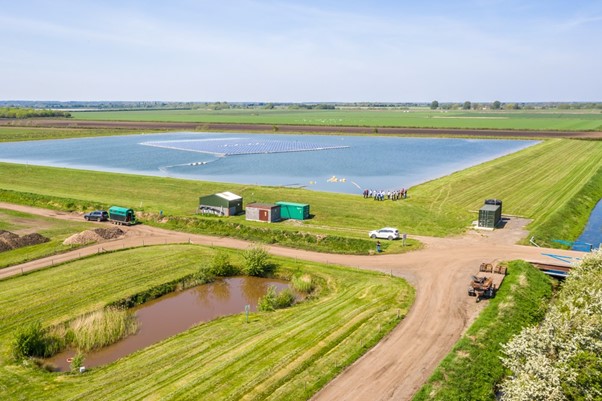
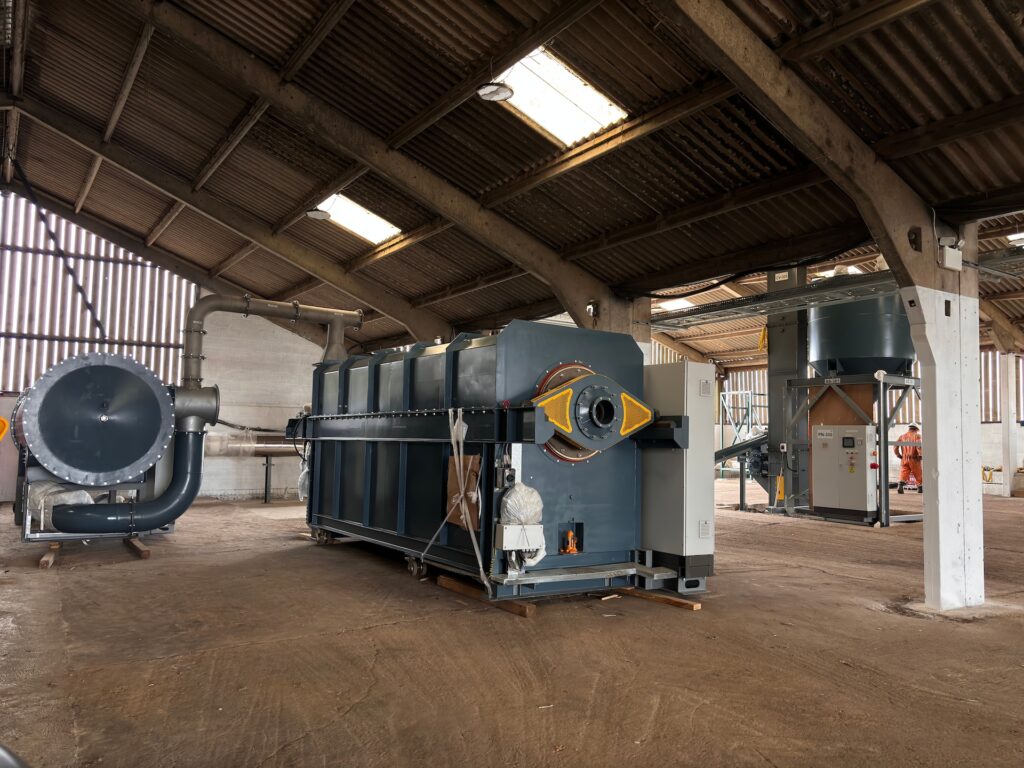
Lapwing Estate in Nottinghamshire and South Yorkshire received NEIRF funding to for its ‘Rethinking Farmed Peatlands’ project. It is using the funding to develop a business model to plant Short Rotation Coppice (SRC) willow on peat soils with a high water table (known as paludiculture). The willow will be burnt without oxygen (pyrolysis) to create bioenergy as well as biochar, a stable form of carbon. Biochar can either be permanently buried to sequester the carbon or used to improve soil quality. It is also being explored as a potential sustainable alternative to coal in industry. Discover more about this DESNZ funded process through the Estate’s Reverse Coal website.
The bioenergy will then be used for Controlled Environment Agriculture (CEA), a technology-based approach to create optimal growing conditions for food production to offset the farmland being used to grow crops for pyrolysis.
Paludiculture provides a profitable solution for maintaining lowland peatland whilst reducing the greenhouse gas emissions associated with their current (dryland) agricultural use. Carbon emissions are avoided through the development of renewable energy and through arresting the emissions of carbon from the peat. Additional carbon is sequestered in the willow coppice and peatland habitat. Moreover, the Lapwing Estate project will provide large scale water purification and storage benefits. This creates increased resilience to floods and droughts, as well as providing improved habitats for local wildlife.
Revenue Model
Sale (and internal use) of renewable energy produced through thermal decomposition of willow crop (pyrolysis) and other land based renewables (solar & wind).
Continued production of agricultural crops for sale to supermarkets, including through controlled-environment agriculture (powered through pyrolysis renewable energy).
The Estate is investigating whether the project is able to stack carbon credits and biodiversity units generated through this land use change.
Loan or Finance Structure
Investment model found in the above NEIRF case study.
Public/Grant Funding
£94,893 NEIRF grant funding.
£3.25m DESNZ grant to build demonstrator.
£388k Innovate UK grant to investigate CEA feasibility.
Legal Arrangements
Possible creation of an SPV (Special Purpose Vehicle) to deliver the project.
Environmental Impact
Carbon avoidance and sequestration – through production of renewable energy (pyrolysis of willow crop), rewetting peat soils to stop emissions and transform to carbon sink habitat. The Estate can achieve long term stable carbon sequestration by burying the biochar in a patented storage solution. This is one of the most concentrated and most easily verifiable of all carbon mass storage solutions. The Estate have also been working with the steel industry and academics to explore the feasibility of biochar as a metallurgical replacement to coal.
The rewetted peat and paludiculture will both provide a function of cleaning water for the local catchment, as well as reducing the impact of drought and flooding.
The headlands and margins of the paludiculture will act as rich wildlife habitat which is also contiguous with a neighbouring SSSI (Site of Special Scientific Interest).
Social Impact and Engagement
The development of CEA and in particular high-tech glasshouses in food production provides opportunities to focus on import substitutions, providing increased resilience and self-sufficiency and mitigate against the impact of climate change, supply chain disruptors and other stresses on our UK food system.
The regional multiplier in supply chain etc is circa 5x giving over 5,500 jobs directly and indirectly once implemented.
The vision is to create an environment for people to visit and connect with nature whilst at the same time understanding the supply chain of where their food comes from.
Out of date? Contact us at info@ecosystemsknowledge.net